Work & Live in South Korea
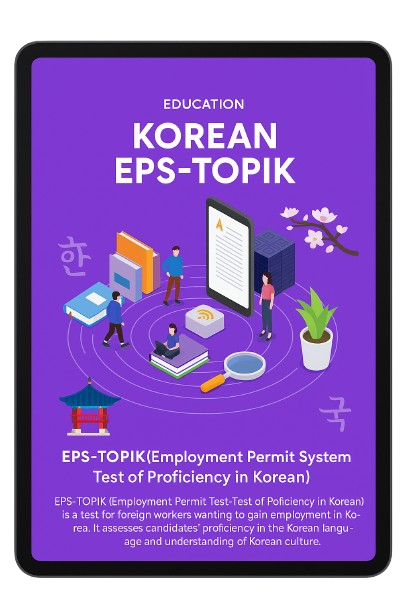
About EPS Topik
The EPS or Employment Permit System is a program by the South Korean government that allows foreign workers from partner countries to work legally in Korea in industries such as Manufacturing, Construction, Agriculture, Fisheries, Service Industry, and Shipbuilding, subject to the sectors open under the current recruitment notice.
To work in Korea, you need to pass the EPS Topik exam, which tests your Korean language skills and understanding of Korean culture. The exam is conducted by the Human Resources Development Service of Korea (HRD Korea).
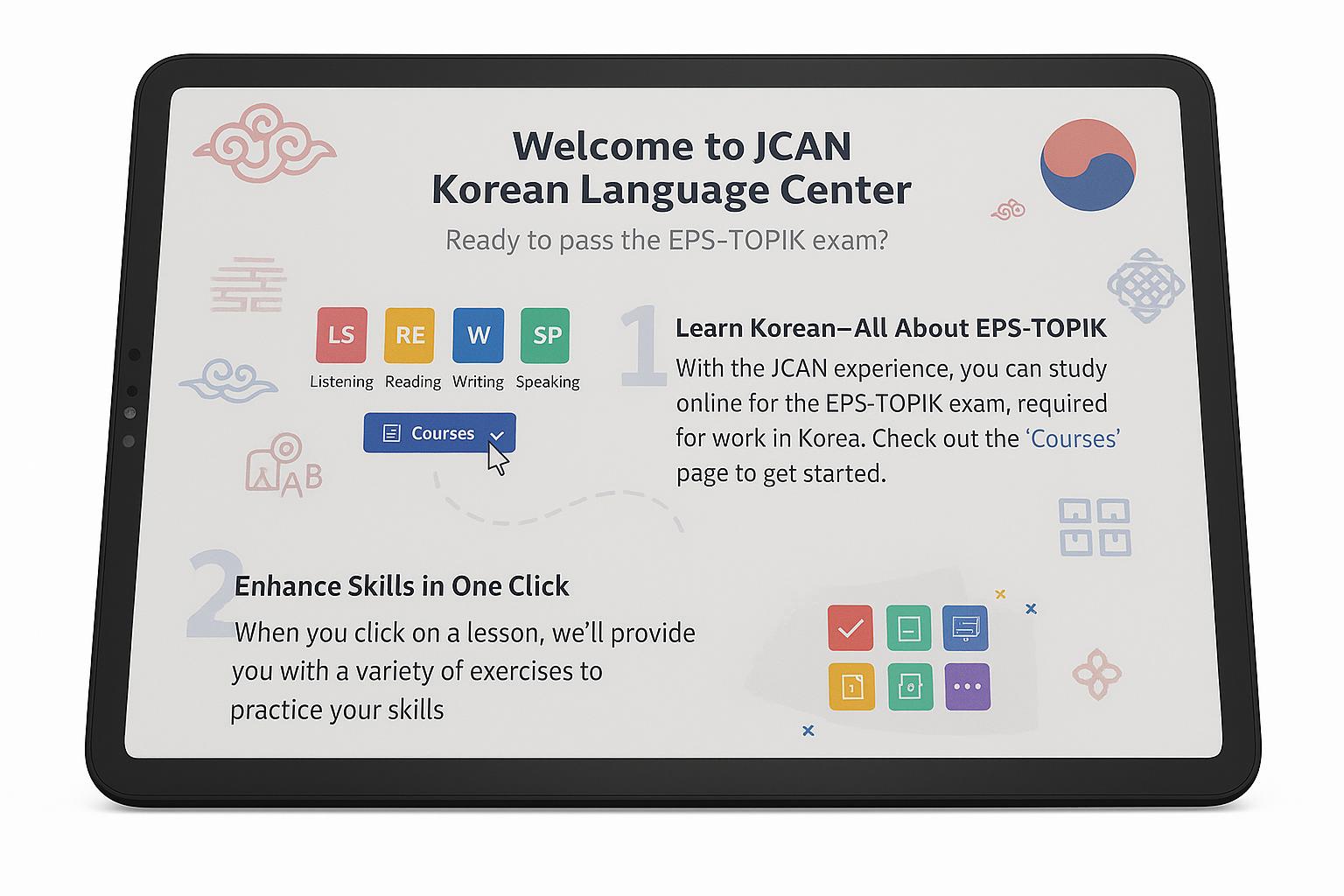
To prepare for the EPS Topik exam, you can take classes at JCAN Korean Language Center, where we offer comprehensive training programs that cover all aspects of the exam.
What's waiting for you?
Glimpse of your Journey
Introducing JCAN Korean Language Center
JCAN Korean Language Center is dedicated to helping students master the Korean language in an easy, practical, and engaging way.
We offer a variety of courses tailored to different levels and needs, from beginner to advanced, ensuring that every student can find the right fit for their learning journey.
Our experienced instructor uses innovative teaching methods and resources to make learning Korean enjoyable and effective. Whether you're preparing for the EPS Topik exam or simply want to learn Korean for personal or professional reasons, JCAN Korean Language Center is here to support you every step of the way.
Inclusions
- 120 hours of Basic to Advanced Korean Language and Culture Training: Writing, Reading, Speaking, and Listening, through EPS-TOPIK review
- Mock tests during regular classes to experience the exam format
- 2 printed Standard EPS books
- 1 printed guide booklet
- 1 purple shirt (uniform)
- Graduation certificate
- Requirements assistance (passport / birth certificate)
- EPS-TOPIK registration and payment assistance
- Mock test group chat after training
- 1 week of final review
- Skills test tools and interview practice
- Post-exam requirements assistance
- Unlimited sit-in classes after graduation
- Cash / loan assistance up to ₱100,000 for hired applicants, subject to eligibility and lending terms
Advantages
- Lower tuition fees
- Longer training hours: weekdays — 30 days / 6 weeks; weekends — 15 days / 2–4 months
- Mock tests with exam tips and techniques
- Comprehensive and structured lesson plan
- Hands-on teachers and staff who assist throughout the process
- Teacher is an EPS-TOPIK and TOPIK passer
- Teaching experience since 2018
- Basic, Intermediate, and Advanced classes
- Books are provided, used, and completed during training
- Active mock test group chats after training
- Unlimited skills test tools and interview practice
- Unlimited sit-in classes for refresher learning
- Cash / loan assistance up to ₱100,000 for hired applicants, subject to eligibility and lending terms
Why work in Korea?
Working in South Korea offers opportunities to earn, develop workplace skills, and experience a different culture.
Experience autumn, winter, and spring while improving your Korean language skills and gaining valuable work experience.

Benefits of Working in South Korea
Basic salary may reach ₱90,000 or more per month, depending on the employment contract and exchange rate. Actual take-home pay varies.
Government-to-government application
- DMW (formerly POEA) is the Philippine government sending agency for EPS. Apply only through the official process.
- No placement fee. Lawful deductions, including taxes and applicable insurance contributions, may still apply.
- Korea’s minimum wage is reviewed annually; individual salary increases depend on the legal minimum and contract.
Leave and additional pay
- Paid annual leave (yeoncha): generally 15 days after one year with at least 80% attendance. During the first year, one day is earned per fully attended month, where the law applies.
- Overtime: generally at least 150% of ordinary pay in total. Holiday work attracts an additional premium of at least 50% for up to 8 hours and 100% beyond 8 hours, where applicable.
- Night work (10 PM–6 AM): an additional premium of at least 50%, where applicable.
- Maternity leave: generally 90 days, or 120 days for multiple births; spouse childbirth leave: 20 days. Eligibility and payment rules apply.
Four major social insurance schemes
- National Health Insurance — support for covered medical treatment and check-ups.
- National Pension Scheme (NPS) — retirement benefits, subject to coverage and eligibility.
- Employment Insurance — eligible unemployment, maternity, and childcare benefits; coverage varies by visa and enrollment.
- Industrial Accident Compensation Insurance — eligible treatment costs and lost-income benefits for work-related injury or illness.
Worker protection and support
- Income tax refunds may be available after tax settlement, depending on tax paid and applicable deductions.
- Severance pay after at least one year of continuous service, subject to working-hour and other legal requirements.
- Departure Guarantee Insurance — helps secure eligible severance benefits upon permanent departure.
- Wage Guarantee Insurance — covers eligible unpaid wages within policy limits when an employer defaults.
- Health check-ups according to employment and insurance requirements.
Employment and future opportunities
- Initial employment period of up to 3 years, with an approved extension of up to 1 year and 10 months.
- Eligible sincere workers may qualify for re-entry employment. This is not an automatic 10-year contract.
- Opportunities to apply for a skilled-worker visa, subject to immigration criteria and approval.
- Food, accommodation, and transportation may be provided free or at a cost, depending on the employer and signed contract.
Benefits depend on the workplace, contract, insurance coverage, and current rules. Official references: DMW EPS, Korean Labor Standards Act, EPS insurance, and Minimum Wage Council.
The process
To become an EPS worker, first, you need to register and take the EPS-TOPIK Korean language test. Once you pass the exam, you can apply for job placement through the official EPS process.
After securing a job offer, you will need to complete the necessary paperwork and obtain a work visa. The EPS program also provides support for workers in Korea, including language training and cultural orientation.
At JCAN Korean Language Center, we offer comprehensive training programs that cover all aspects of the EPS process, from language preparation to assistance with application requirements. Job matching and deployment are handled through the official government process. Our experienced instructor will guide you through every step, ensuring that you are well-prepared for your journey to Korea.
Trust the Process
Our vision is to help everyone learn Korean easily and succeed in working in South Korea through the EPS program.
Qualifications
- Age: 18 to 38 years old at registration, subject to the announced birthdate range
- Male or female
- Physically and mentally fit for the required work
- No disqualifying criminal conviction
- No record of deportation from South Korea
- Must have a valid passport
- No restrictions on leaving the Philippines or entering South Korea
- No color blindness or color weakness
- Must meet the required medical screening standards
- Must not use illegal drugs
This is an overview. Additional conditions, including previous E-9 / E-10 stays, may apply. Check the latest official DMW qualifications and recruitment announcement.
Face-to-Face and Online Class Schedule
Weekdays
- Monday to Friday
- Morning: 8:00 AM–12:00 noon
- Afternoon: 1:00 PM–5:00 PM
- Evening: 6:00 PM–10:00 PM
4-hour classes: 30 days / 6 weeks
Weekends
- Saturday and Sunday: 8:00 AM–5:00 PM
8-hour classes: 15 days / 2–4 months
Schedules are subject to availability. Contact us to confirm your preferred class.
Do not hesitate! How would you know if you would succeed if you don’t try?
For further information, please refer to our contact information at the end of the page.
Passers & Hired
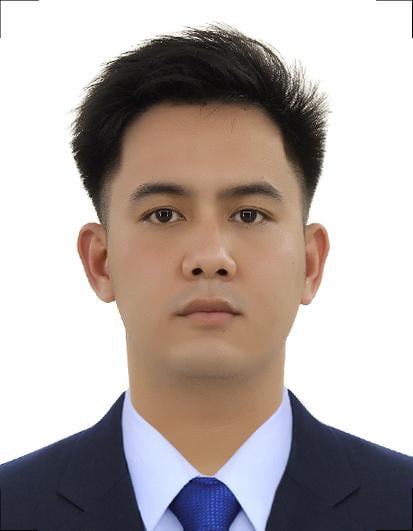
Kenneth George Gonzales
Score: 140.5/200
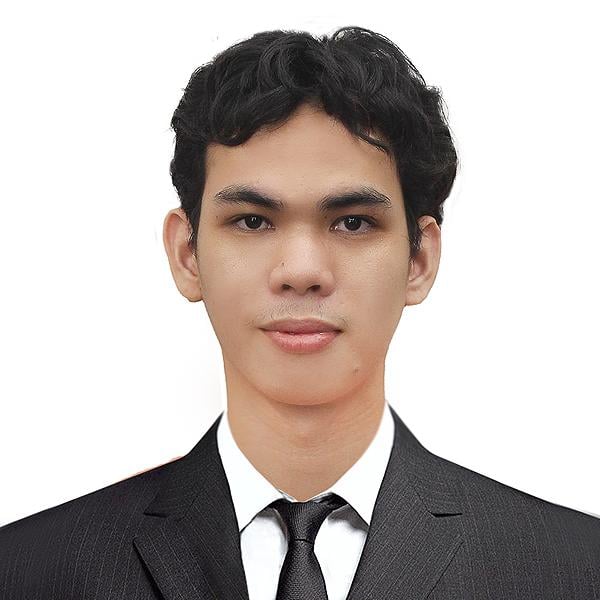
James Walter Dapadap
Score: 131/200
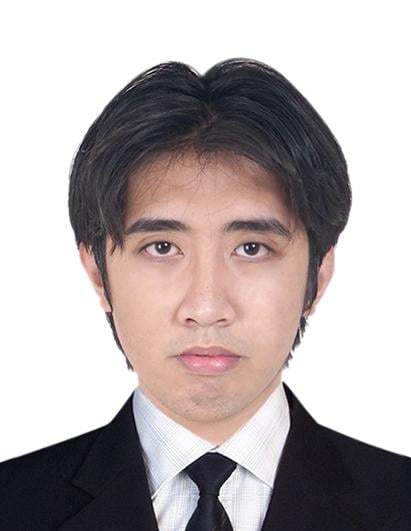
Ro-en Bermejo
Score: 145.5/200
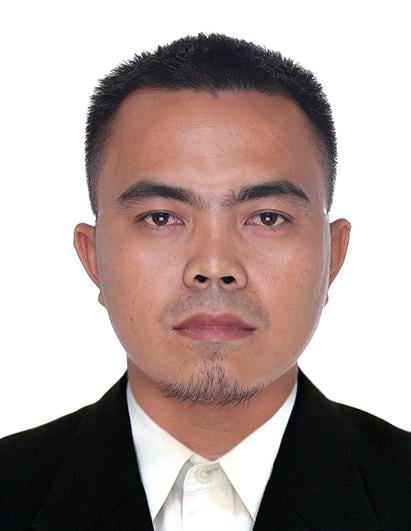
Anthony Domingo
Score: 121.7/200
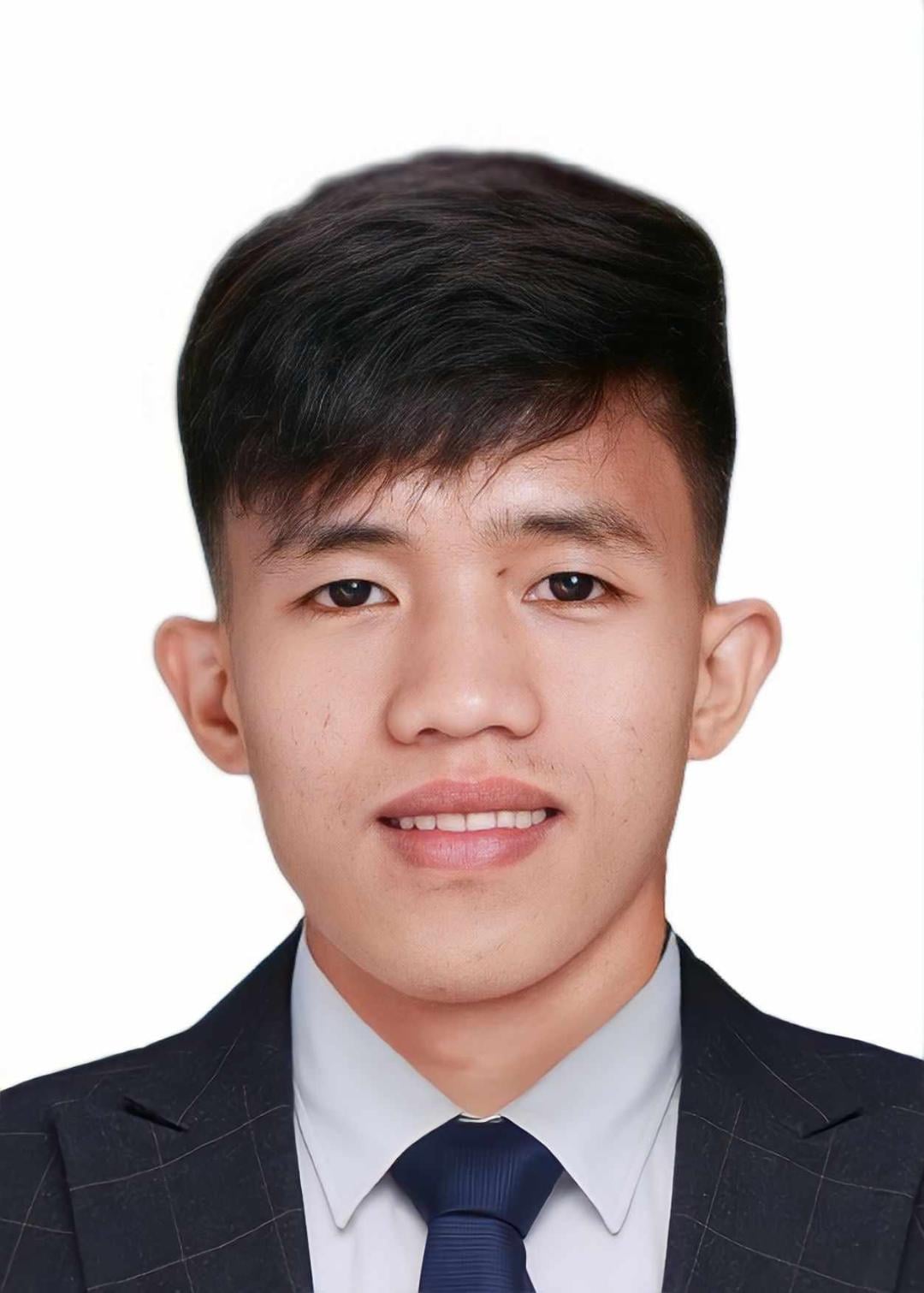
Renato Abenir Jr
Score: 132.3/200
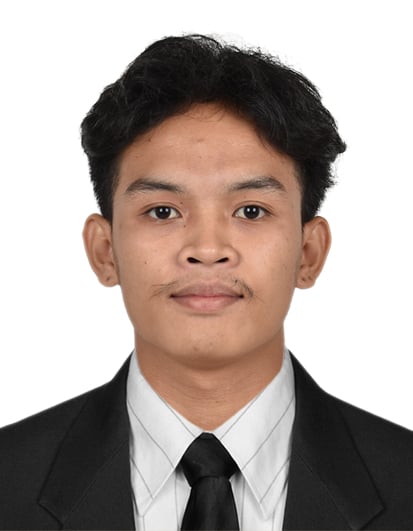
Kim Gohan Sellon
Score: 139.1/200
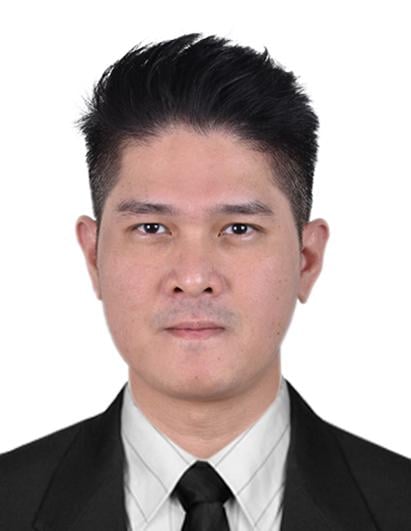
John Anthony Agustin
Score: 147.6/200
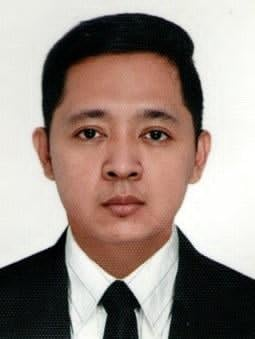
Anthony Jeresano
Score: 115/200

Jovert Calisura
Score: 129.4/200
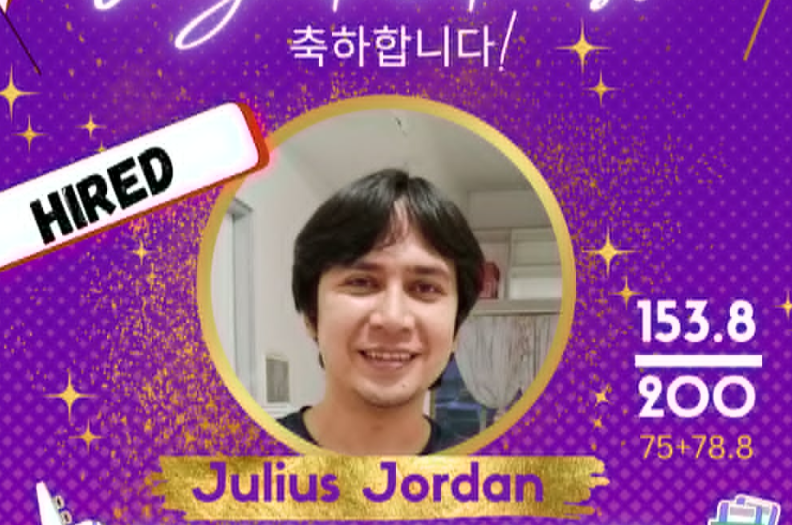
Julius Jordan
Score: 153.8/200

Christopher John Tabora
Score: 125/200
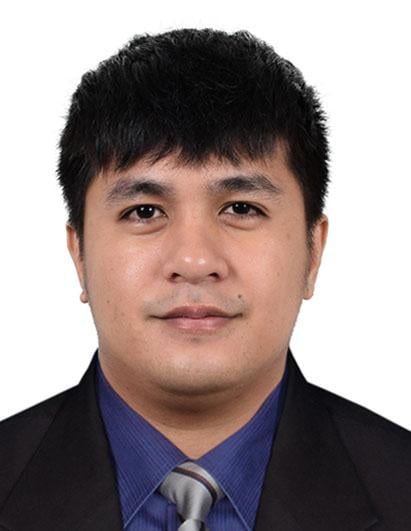
Angelo Raniel De Leon
Score: 141/200
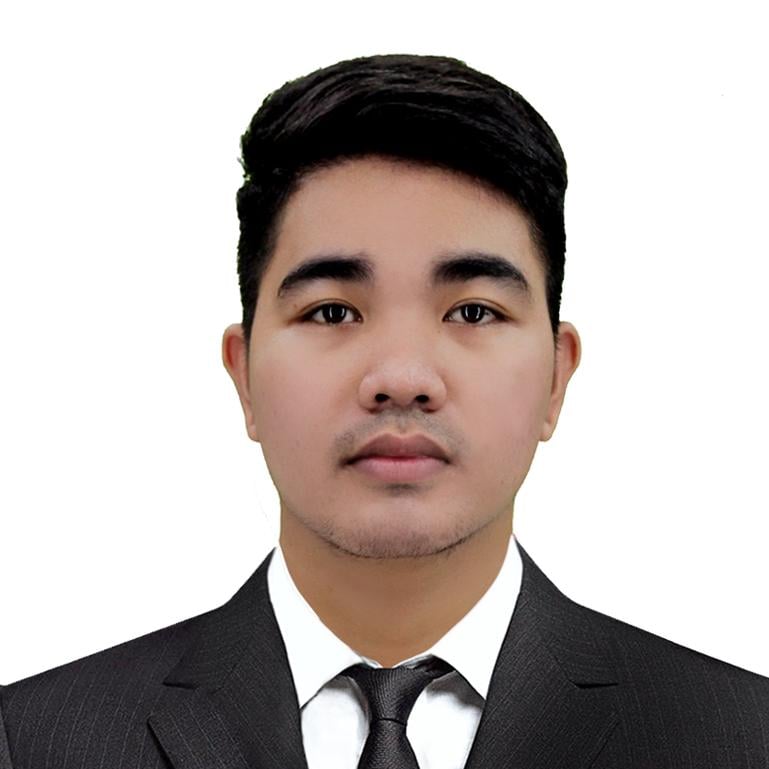
Edward Bentijaba
Score: 127/200
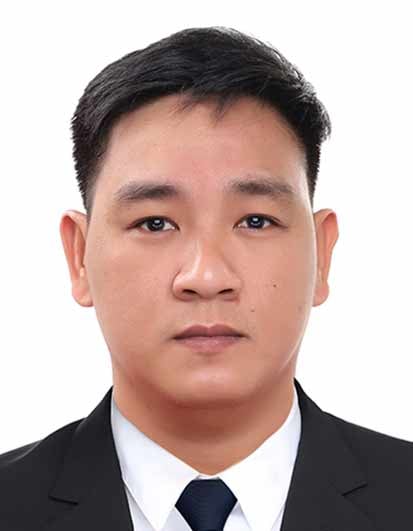
Markiejie Ruben
Score: 147/200
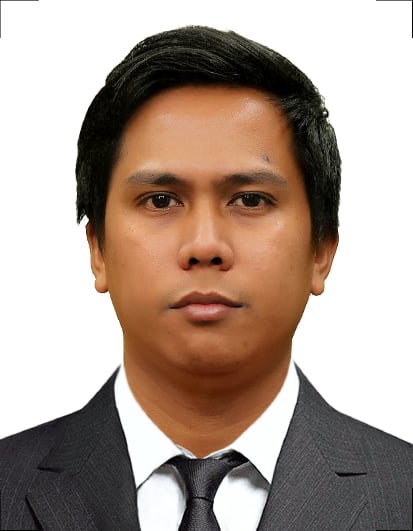
Kyron Buenviaje
Score: 145.4/200
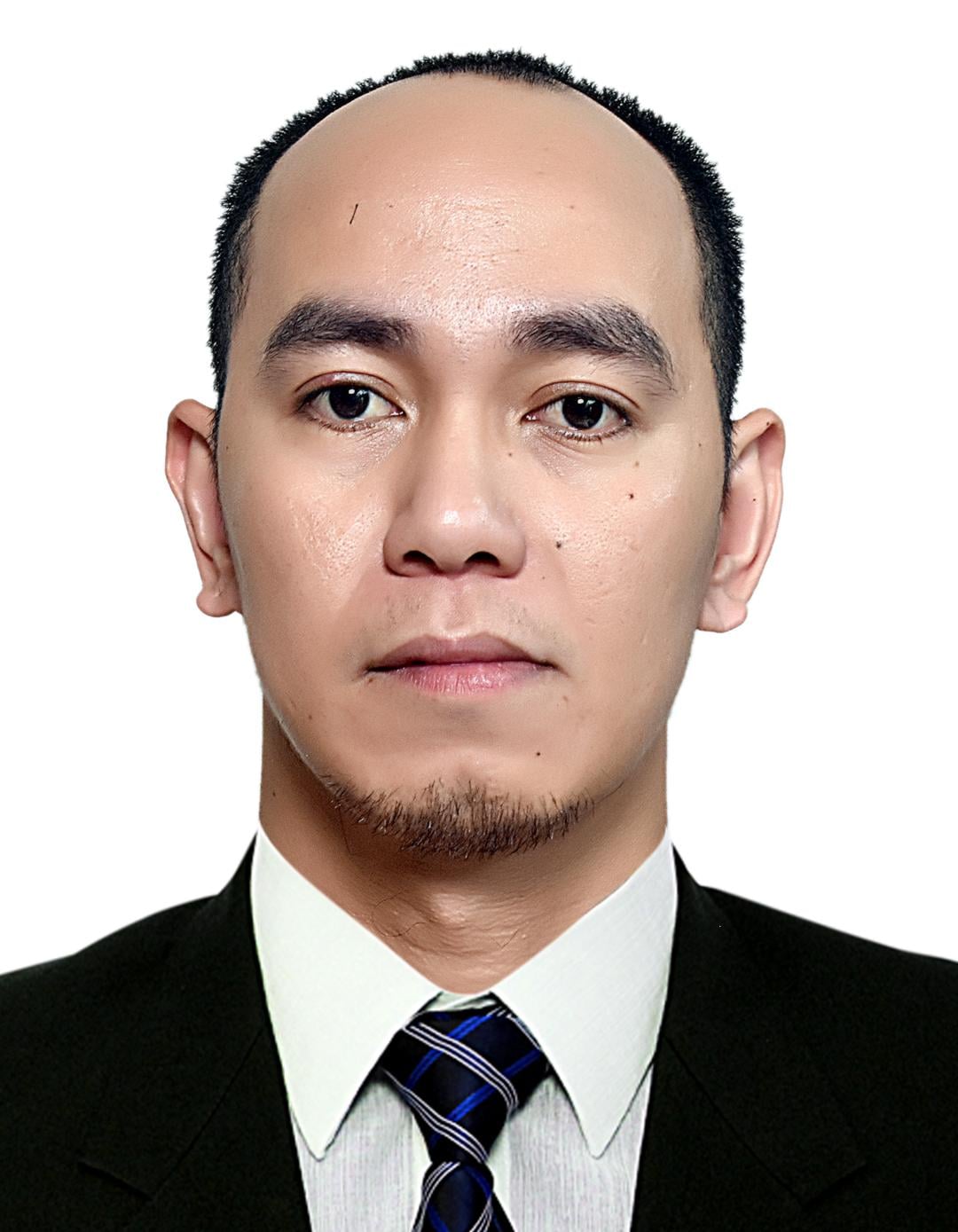
Arman Miranda
Score: 142.9/200
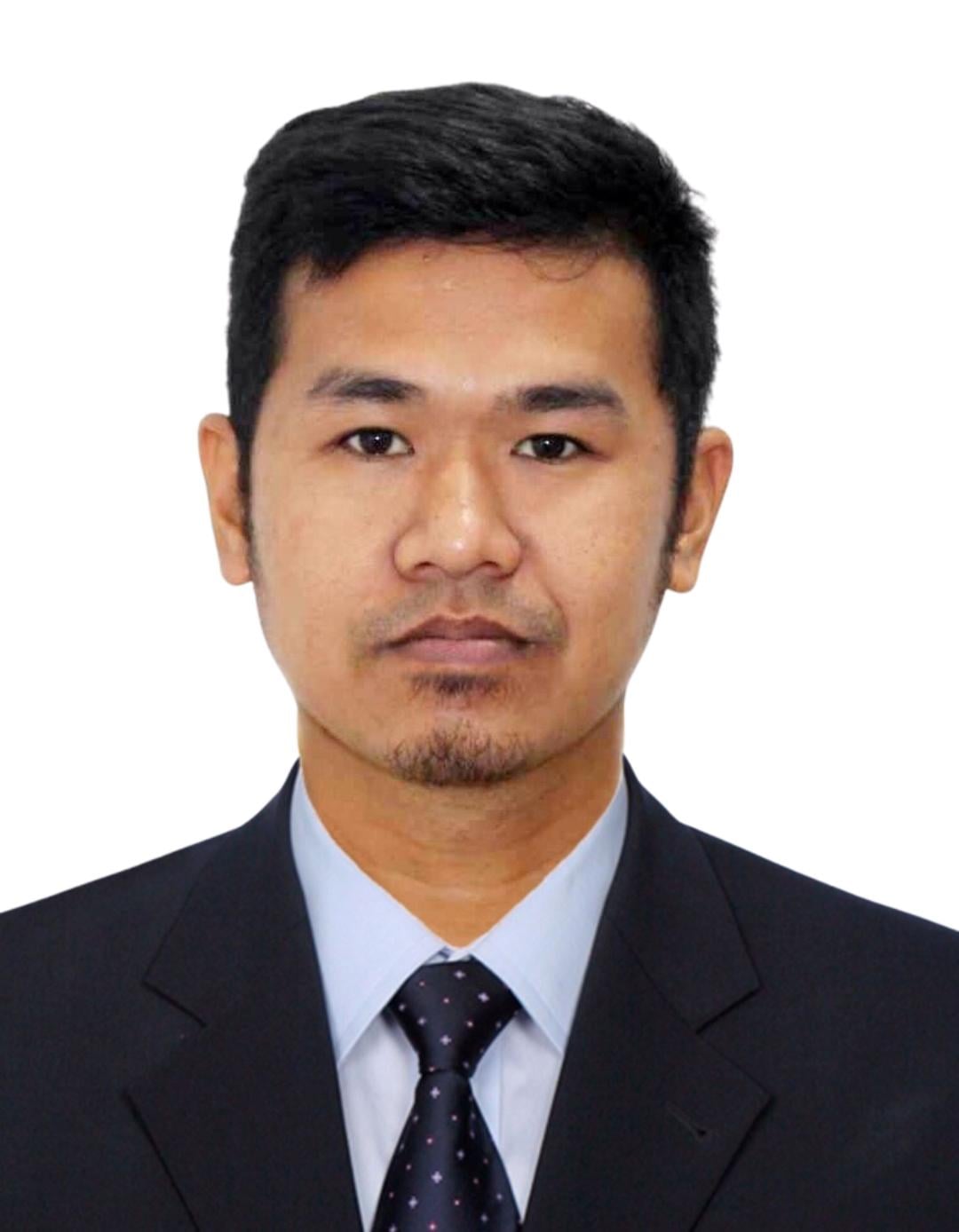
Edrian Vilorente
Score: 129.1/200
Say 안녕 and talk to us
Let’s start your Korean journey.
Get in touch with JCAN Korean Language Center.
Cupang, Antipolo City,
Rizal, Philippines